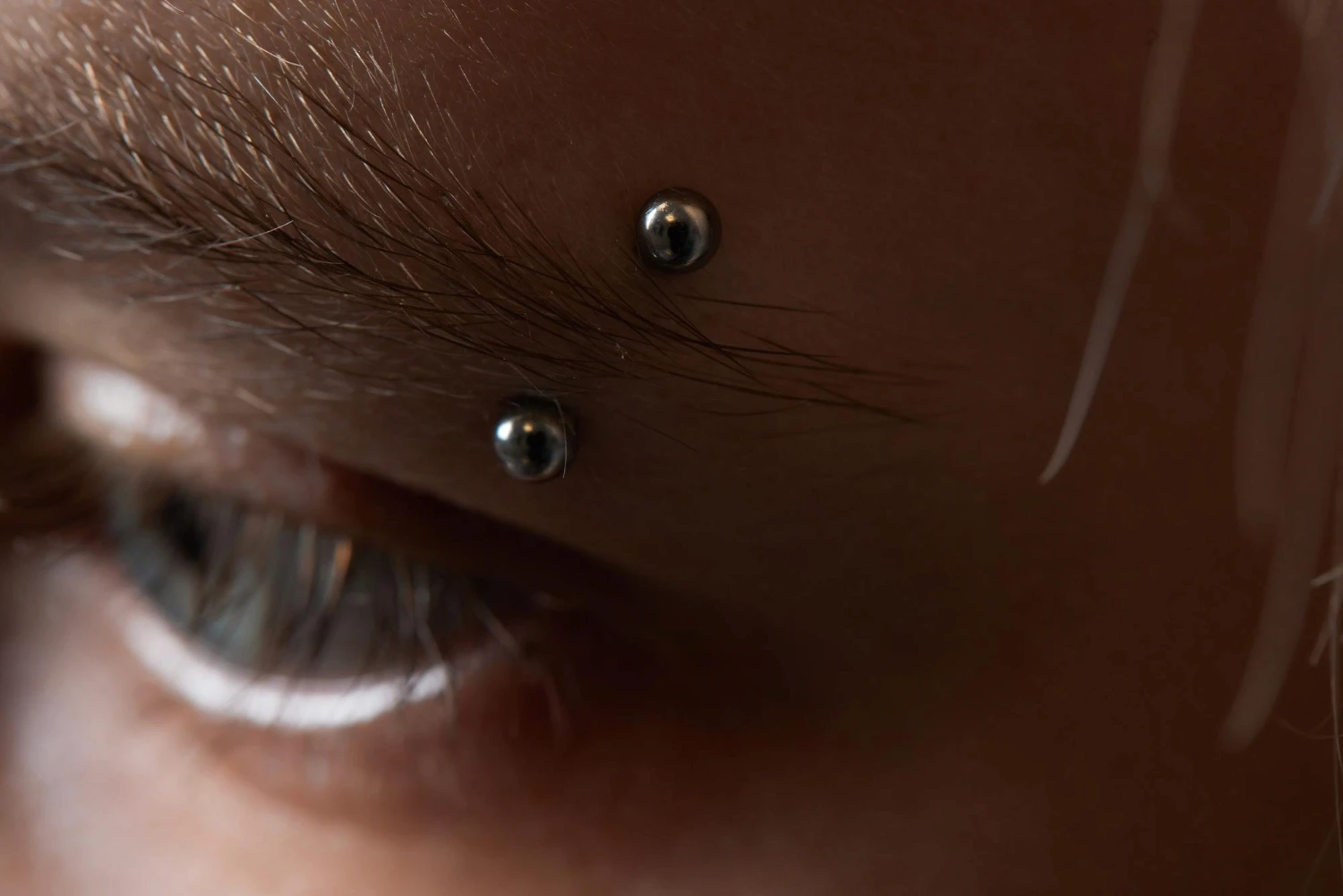
Piercing has become a form of personal expression and style that has gained popularity among both women and men in recent years. However, beyond the aesthetic appearance, getting a piercing is a procedure directly related to skin health and hygiene. Therefore, there are some important points you need to pay attention to before deciding. Here are 10 things you need to know before getting a piercing!
Never Get a Piercing Without Researching
Although the piercing process seems simple, it requires expertise and a sterile environment. Therefore, be sure to research the studio where you will have the procedure done.
Are the needles used disposable?
Are you sure the piercer follows hygiene rules?
Have you read the reviews of previous customers?
The answers to these questions will help you prevent potential infections and complications.
Hygiene is Everything
Sterilization is the most critical phase of piercing. Before the application:
The needle should be newly removed from its package,
The piercer should wear gloves,
The area should be cleaned with an antiseptic.
If these steps are skipped, stay away from that studio immediately. Piercings done under unhygienic conditions carry the risk of hepatitis, HIV, and bacterial infections.
Decide Which Area You Want Pierced
Piercings can be applied to different areas such as the ear, nose, eyebrow, lip, navel, and tongue. Each area has a different healing period, maintenance method, and pain level.
For example:
Ear cartilage heals in 3-6 months.
Tongue piercing can recover in 1-2 weeks.
So be sure to research which area is more suitable before deciding.
Material Choice Determines Your Health
The material to be used affects how your body will react to the piercing.
The safest materials:
Titanium
Surgical steel (316L)
Real gold (at least 14 karats)
Avoid jewelry containing nickel; it can cause allergic reactions.
Be Prepared for Pain, But Don't Be Afraid
Piercing procedures usually last a few seconds. The feeling of pain varies according to the person and the area.
Having a tongue or navel pierced may be slightly more painful than the earlobe. However, with the correct technique, the pain is short-lived.
Take a deep breath and be comfortable, a professional piercer makes the process easier.
The Healing Process Requires Patience
After getting a piercing, the area may take weeks or months to heal completely. During this time:
Do not touch the area,
Avoid putting pressure on it while sleeping,
Do not change the jewelry early.
Changes made before the healing is complete can lead to infection.
Regular Care is Essential
In the first weeks, clean the area twice a day with saline solution or antiseptic solution.
Do not use alcohol or hydrogen peroxide as these substances irritate the tissue.
Always wash your hands before touching the piercing.
Do Not Enter the Sea, Pools, and Saunas
A new piercing is like an open wound. Pool and sea water are filled with germs.
During the healing period:
Avoid the sea, pool, sauna, and bath.
Otherwise, the risk of infection increases significantly.
The Balance of Price and Performance is Important
Don't trust just anywhere because it's cheap! Sterile equipment, quality jewelry, and professional workmanship require a certain cost. Very cheap piercing procedures are often risky in terms of hygiene.
Remember: Don't gamble with your skin.
Do Not Skip Checks After Piercing
During the healing process, if you notice redness, swelling, discharge, or a bad odor, consult your piercer or a dermatologist without delay.
In some cases, the body may reject the jewelry — early intervention prevents permanent scars.
Piercing is Not Just an Accessory, It's a Decision
Piercing is not just a piece of metal jewelry. It's a form of expression that reflects your personality, style, and self-confidence. However, this form of expression should not be a step taken without consideration. Because each piercing leaves a permanent mark on your skin and body; it requires being physically and psychologically ready.
Before getting a piercing, you should ask yourself these questions:
Do I really want it, or am I just caught up in a trend?
Is my work or school environment suitable for this?
Will I be uncomfortable carrying this piercing in the long term?
The answers to these questions will help you make a more informed decision. Remember, piercing is not a fashion trend, it's a lifestyle choice.
Also, each individual's body structure is different. Some areas may not be suitable for piercing, or your body may reject the jewelry. Therefore, a professional piercer is not just someone who performs the procedure but also a consultant who can provide proper guidance.
A good expert evaluates not only “how to pierce” but also “why you should or shouldn’t get it” with you.
Finally, getting a piercing is a freedom symbol but also requires responsibility. Neglecting care, choosing the wrong material, or disregarding hygiene can turn an aesthetic choice into a health issue. So when making your decision, be sure you're ready both mentally and physically.
A piercing can be a powerful way to reflect who you are, but if you do it consciously, safely, and with self-care, it truly becomes your shining signature.
Frequently Asked Questions About Getting a Piercing (FAQ)
Is the Area Numbed During the Piercing Process?
Most professional studios do not use local anesthetics (such as creams or sprays). Because anesthetics can affect blood circulation and slow down the healing process. However, minimal cream use is possible in some areas; it depends on the piercer's preference and application area. In any case, ask about this in advance.
When Can I Change the Jewelry After Piercing?
Changing the jewelry before healing is complete is risky. For most piercings, it is recommended not to change jewelry for the first 3–6 months, or up to 6 months in some areas (like cartilage). When considering a change, decide in conjunction with your piercer.
Can I Get a Piercing While Pregnant or Breastfeeding?
Most studios do not recommend getting a piercing during pregnancy as the immune system may change, increasing the risk of infection. It may also be risky around the nipple and nearby areas while breastfeeding. This situation should definitely be evaluated with a health professional.
Can I Swim After Getting a Piercing? (Pool, sea, etc.)
It is most secure to avoid environments like pools, sea, or saunas until the newly pierced area is completely healed (generally the first weeks/months). Waterborne bacteria and chemicals can harm the healing area.
I Have a Metal Allergy: Which Materials Should I Prefer?
For those at risk of allergic reactions, implant-grade titanium, niobium, or gold (at least 14 karats) jewelry is recommended. Jewelry labeled “surgical steel” may not always cause allergies, but research its content and quality. Be sure to inform the piercer about your sensitivities.
