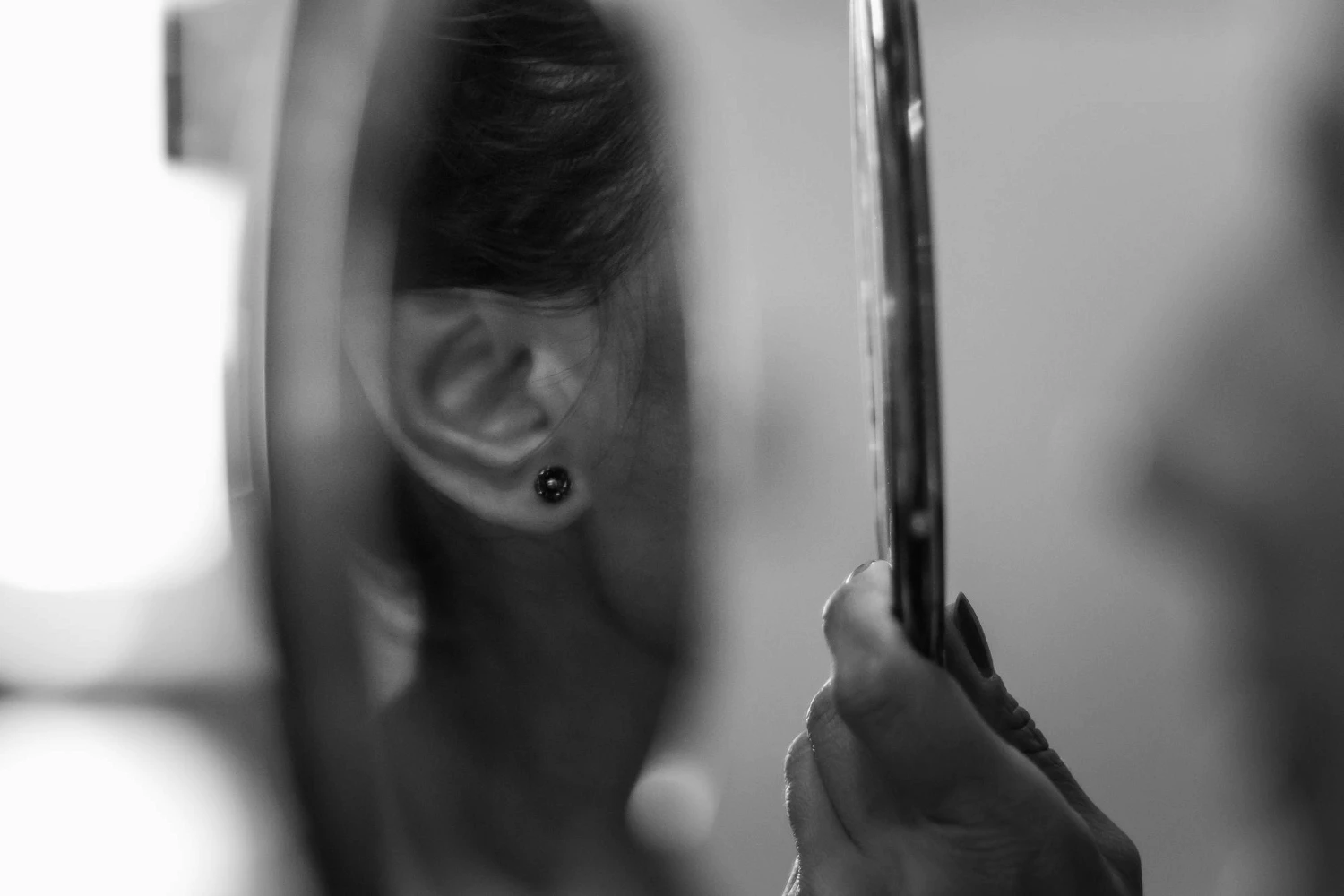
Piercing is the process of making holes in certain parts of the body for the purpose of wearing jewelry. Throughout history, it has been used in many cultures as a religious, aesthetic, or identity symbol. Nowadays, it is mostly preferred as a means of style, uniqueness, and self-expression.
Ear Piercings
The ear is the most popular area for piercings. It should not be thought of just as “earrings”, as it can be applied to many different parts:
Lobe: The most classic and painless area.
Helix: A piercing made on the upper part of the ear's curve.
Tragus: Made to the small cartilage protrusion in front of the ear canal.
Daith: A trend piercing type related to migraines, done on the inner cartilage.
Rook / Snug / Industrial: Bolder and more eye-catching options.
If you are getting a piercing for the first time, you can start with lobe or helix piercings, which are easy to heal.
Facial Piercings
Facial piercings are impressive details that highlight your style.
Nose Piercing: The most common facial piercing (nostril, septum, bridge).
Eyebrow Piercing: Adds a tough yet attractive look to facial features.
Lip Piercing: Different styles can be created with models like Monroe, Medusa, Snake Bite.
Cheek Piercing: Offers a unique look with a dimple effect.
Body Piercings
Piercings done in personal and private areas:
Navel Piercing: Especially preferred in the summer months.
Chest and Neck Piercings: Preferred by brave users.
Tongue Piercing: Visually striking, but the healing process is delicate.
Genital Piercing: It is entirely a personal choice; professional application is required.
Aftercare for Piercings
Care after getting a piercing reduces the risk of infection and shortens the healing time.
Clean twice daily with saline solution or specialized solutions.
Avoid playing with it using your hands.
Avoid swimming pools, saunas, or the sea for the first 2 weeks.
Seek professional help if swelling, redness, or pus is observed.
The healing period usually ranges from 4 to 12 weeks, depending on the area.
Frequently Asked Questions (FAQ) about Piercing
Should Piercing Be Done with a Needle or a Gun?
Professional piercers usually prefer to perform piercings with a sterile needle, as the needle cuts through tissue and provides more control. Piercings done with a gun can cause issues with sterilization, tissue damage, and the healing process.
How Much Do Piercing Prices Cost?
The price depends on factors such as the area of the piercing, the material of the jewelry to be used (titanium, gold, surgical steel, etc.), the quality of the studio, and the city. A small earlobe piercing might be more affordable, whereas complex body piercings can be more expensive.
When and How Should I Change My Piercing?
After the piercing is completely healed (which varies by area), it is possible to change the size of the jewelry or opt for a different style. However, this change should be done carefully. Changing jewelry before the healing process is complete can cause infection, tissue irritation, or closure of the channel.
Can Imaging Techniques like X-ray, MRI, CT Be Performed with Piercings?
In most cases, imaging can be performed without removing the piercing jewelry, as high-quality piercing materials are made of non-magnetic metals. However, there may be restrictions related to the area to be imaged. Informing the doctor or technician beforehand is the safest approach.
Is There a Risk of Piercing Channel Shrinking or Closing?
Yes, if the pierced channel is not fully healed or if the jewelry is removed, the channel can narrow or close completely. Not removing the piercing for prolonged periods and paying attention to the healing process reduce the risk of channel closure. Additionally, excessive jewelry size and frequent removal and reinsertion can increase the risk.
