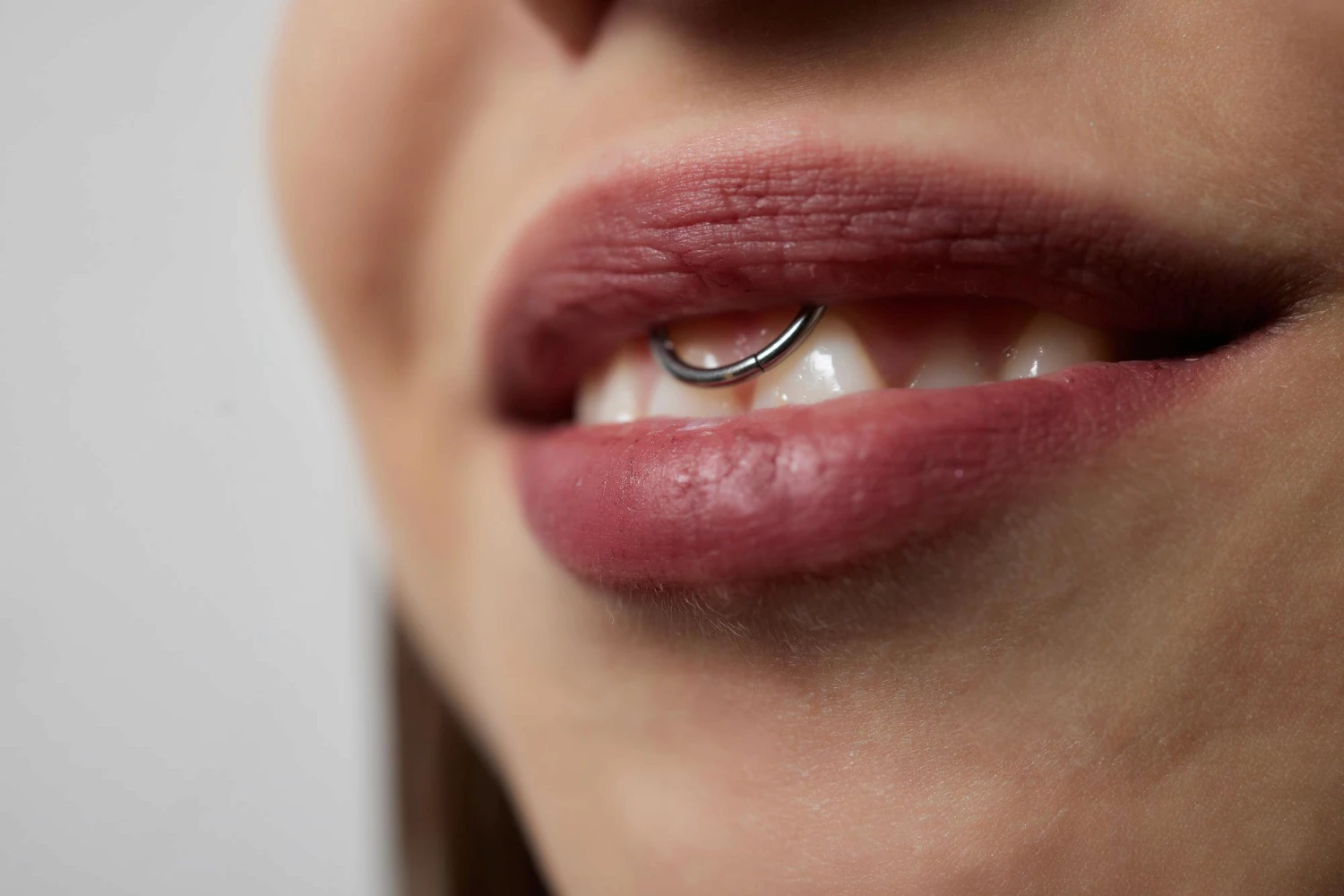
The first piercing experience can be as exciting as it is a bit worrisome for many people. Questions like “Will it hurt?”, “Will it get infected?”, “Should I go to the right place?” cross almost everyone's mind.
The most important step to make the first piercing experience enjoyable and safe is to choose the right studio and professional. Preferring a piercing artist who works in sterile conditions, with disposable needles, and is experienced protects your health and ensures the process goes smoothly. Moreover, determining the area beforehand, checking for possible allergies, and getting information about aftercare are also very important. You can find suitable piercing models on our site.
Remember, every body reacts differently; therefore, your experience may be different from someone else’s. The important thing is to act with the right information, consciously, and make decisions without rushing.
Piercing Stages
The process of getting a piercing, while it may seem like a short and simple procedure from the outside, actually consists of several stages requiring attention, hygiene, and professionalism. Knowing these stages puts you at ease psychologically during your first experience and minimizes potential risks. Here are the basic steps of the piercing process:
Choosing the Right Studio and Piercer
This is the first and most critical stage. Choosing a licensed and experienced piercing artist who follows sterilization rules ensures the safe progress of the entire process. The studio environment should use gloves, masks, disposable needles, and sterilized jewelry.
Choosing the Area and Planning
Determining which area you want to get pierced is the second step. Different areas like ear, nose, eyebrow, lip, or navel have varying healing times, pain levels, and care requirements. The piercer may suggest the most suitable spot based on the anatomy of your face or body structure.
Preparation and Sterilization
Before starting the procedure, the area to be pierced is cleaned with an antiseptic solution. The piercer usually marks the spot where the jewelry will pass with a marking pen and gets your approval. This step ensures the jewelry is placed correctly.
Piercing Procedure
The piercing process with a sterile needle is completed within a few seconds. The chosen jewelry (usually surgical steel, titanium, or gold) is then immediately placed. At this stage, breathing control is important, and staying calm with the piercer’s guidance makes the procedure much easier.
Cleaning and Initial Check
After the procedure, the area is disinfected again. The piercer gives you information about what to be careful of in the first 24 hours: not to touch, not to use makeup or cream, and to avoid contact with water.
Final Check and Care Instructions
Some professional studios give a follow-up appointment after a few weeks. During this visit, the condition of the jewelry and the healing process are evaluated.
New Piercing Care
A newly placed piercing means an open wound in your body. Therefore, proper care is the most critical step to prevent infection risks and to ensure quick healing. Following a careful care routine from the first days not only preserves the appearance of the piercing but also ensures its longevity.
First 24 Hours: Don’t Touch, Turn, or Play!
The most common mistake in the first days is frequently touching the new piercing. Bacteria on our hands poses a significant infection risk for newly opened tissues. You should not turn, tug or change your jewelry unnecessarily.
It may take weeks or even months for the piercing to completely “settle” from the day it is placed.
Cleaning Routine: Gentle Care with Saline Water
Cleansing the area around the piercing twice a day with a mixture of sea salt and sterile water is the most effective care method. For this:
Add half a teaspoon of sea salt to 1 cup of warm water.
Gently wipe around the piercing with a cotton swab.
Then dry with a sterile gauze and leave it to air dry.
Using harsh chemicals like alcohol, hydrogen peroxide, or antiseptic cream can dry out the skin and delay healing.
Shower and Daily Life Considerations
Be careful not to let shampoo and soap foam come into contact with the piercing area while taking a shower.
Protect areas where there’s a risk of friction with towels or clothing.
Avoid activities like sports, swimming, pools, or saunas for the first few weeks.
Watch for Signs of Infection
Redness, yellow-green discharge, bad odor, or excessive swelling can be a sign of an infection. In this case, do not attempt to remove the jewelry yourself! Seek help from a professional piercer or dermatologist.
Nutrition and Supporting Healing
Adequate water intake and a diet rich in Vitamin C boost the immune system and speed up healing. Reducing smoking and alcohol consumption also supports skin regeneration.
Piercing Healing Process
The period after getting a piercing requires patience and regular care. Since everyone’s body heals at a different pace, there is no single answer to the question “how long does it take for a piercing to heal?” However, with proper cleaning, healthy living habits, and careful actions, this process progresses quite smoothly.
Average Healing Times
Below are the average healing times for the most common piercing areas. These times can shorten or extend based on personal factors.
Piercing Area | Average Healing Time | Notes |
Earlobe | 6–8 weeks | This is the fastest healing area. |
Cartilage (Helix, Tragus) | 3–6 months | Cartilage is more rigid, so it may take longer. |
Nose (Nostril) | 2–4 months | Avoid contact and cosmetic products. |
Lip | 6–10 weeks | Careful while eating is needed. |
Eyebrow | 6–8 weeks | Usually heals without issues. |
Navel | 6–9 months | Can take longer due to clothing friction. |
Septum | 2–3 months | Heals quickly, but nasal cleaning is important. |
Signs That Are Normal During the Healing Process
In the first weeks, the following signs are normal:
Mild redness and swelling
Clear or light yellow discharge
Crusting or slight itching
These signs are the body's natural healing response. However, if the pain intensifies, the discharge smells bad, or the area feels warm, this could be an indication of infection. In such cases, professional help should be sought.
Tips to Accelerate the Healing Process
Regular cleaning: Clean with saline water twice a day.
Avoid contact: Do not touch the piercing with your hands, and ensure clothing or hair does not catch on it.
Healthy eating: Consuming Vitamin C, zinc, and plenty of water supports healing.
Be patient: Removing or changing the jewelry early can set back healing.
Is “Crusting” Normal?
Yes, crusting is completely normal, especially in the first few weeks. It is part of the body’s wound healing process. Instead of picking off crusts, it’s important to soften and gently clean them with saline.
How to Remove a Piercing?
Removing a piercing is a process that requires as much attention as having it done. Incorrect timing or incorrect removal attempts can cause tissue damage, infection, or scarring. Therefore, before removing your piercing, it is very important to correctly assess the healing condition and follow the right steps.
When Can a Piercing Be Removed?
Before removing the jewelry, you should make sure the area is completely healed.
The healing time varies by area (for example, earlobes 6–8 weeks, navel piercings 6–9 months).
If you still have the following signs, you should definitely not remove the jewelry:
Redness or swelling
Discharge or crusting
Sensitivity or pain
These conditions indicate the area is not yet fully healed.
Seeking Professional Help is the Safest Way
It may be tempting to remove your piercing at home, but the safest method is to seek help from a professional piercer. Experts can remove the jewelry without damaging the tissue with sterile gloves, the right tools, and techniques. They also provide information on how to care for the area after removal.
Removing Piercing at Home (Only If Fully Healed)
If your piercing is fully healed and you want to remove it at home:
Wash and disinfect your hands thoroughly.
Clean the piercing area with saline water or antiseptic solution.
Gently loosen the end of the jewelry (screw, ball, or ring connection) by twisting.
Slowly remove the jewelry, never force it.
After removal, clean the area again and cover with sterile gauze.
Care After Piercing is Removed
Once you remove your piercing, the area goes through a closure process. During this period:
Keep the area clean and dry.
Avoid playing with the area with your hands.
If you consider putting the jewelry back, consult a piercer before the hole closes.
Some areas (like lip or eyebrow) can quickly close within a few days, so if you’re thinking of putting the jewelry back, don’t wait too long.
Will It Leave a Permanent Scar or Hole?
Most piercings, especially if worn for a short time, close without leaving a mark after removal. However, with long-term wear or in cartilage areas, a very thin scar may remain. This scar is usually small enough to be unnoticeable and blends in with the skin tone over time.
Removing your piercing safely is as important as having healthy healing.
When you act at the right time, in sterile conditions, and with informed steps, the piercing leaves you with nothing but a beautiful memory.
Frequently Asked Questions (FAQ) About Piercing Experience
Does Piercing Hurt?
Yes, piercing usually comes with some pain or stinging sensation. However, this feeling is very brief and most people describe it as “like a needle prick.” The intensity of the pain depends on factors such as the chosen area, personal pain threshold, and the piercer’s technique.
When Can I Change My Piercing Jewelry?
The jewelry should be changed only when the area is completely healed. This healing time varies by area (for example, earlobes 6–8 weeks, cartilages 3–6 months, etc.). Changing or removing the jewelry before full healing can cause tissue damage or hole closure.
Is My Piercing Infected? What Symptoms Should I Note?
Some signs indicating the possibility of infection include increased redness and/or warmth of the area, yellow-green purulent discharge, bad smell, and increased pain and sensitivity.
If these symptoms are observed, the safest approach is to consult with a piercer or dermatologist instead of trying to remove the jewelry.
Is Alcohol, Pool, Sea Risky for Piercing Care?
Yes. Being in water bodies like pools, seas, or lakes during the initial healing process carries risks because water contains bacteria. Alcohol and chlorinated water can also be irritating. Similarly, alcoholic beverage consumption may negatively affect the healing process as it can sensitize the body.
Can I Remove the Piercing at Home?
Generally, it is not recommended. An attempt to remove at home, especially for areas that haven't fully healed, can lead to tissue damage, bleeding, or scarring. Care must be taken even with fully healed piercings. The safest method is for removal to be done by a professional piercer under sterile conditions.
