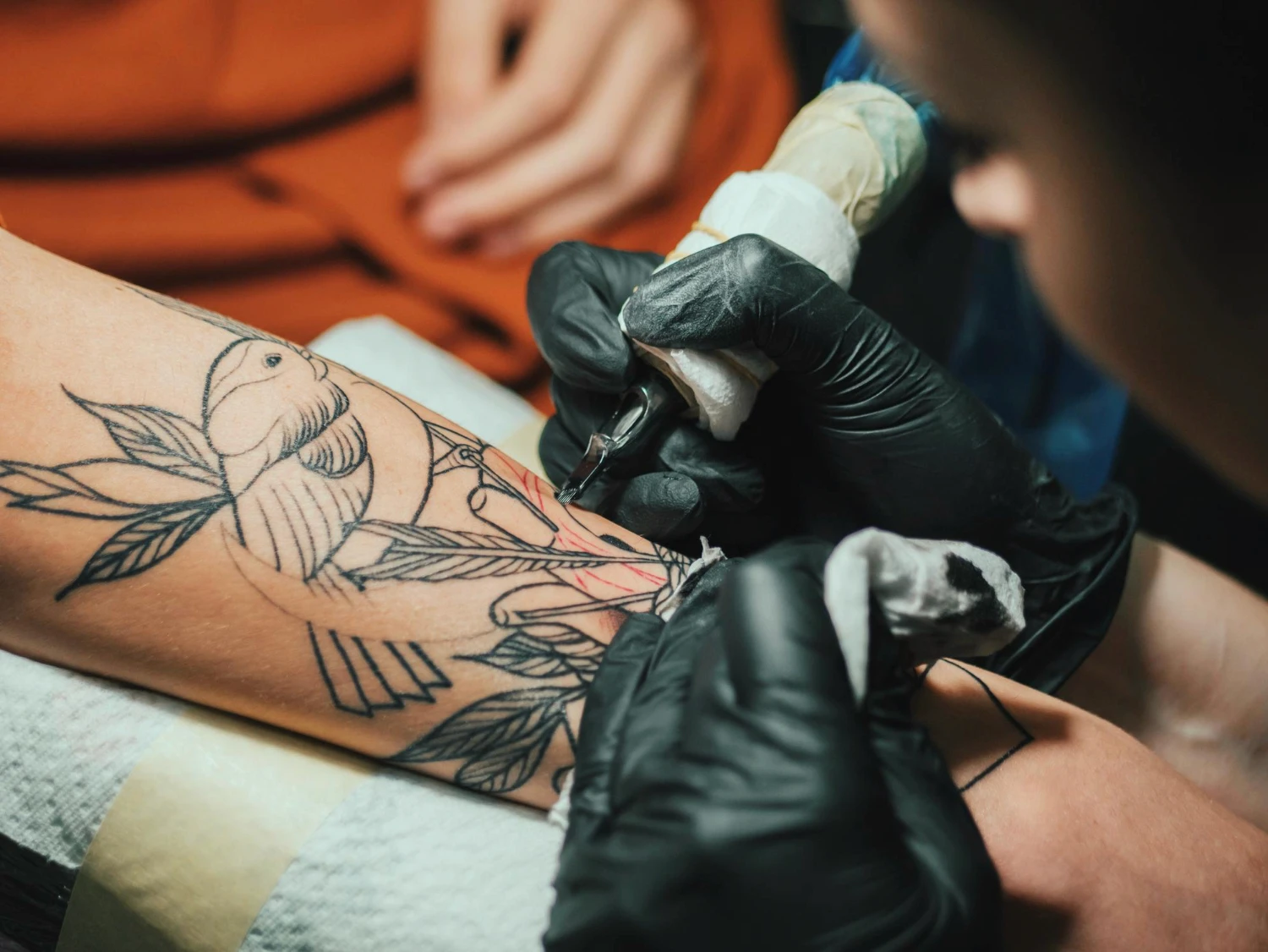
Tattooing is an artistic and permanent way to express yourself by using your body as a canvas. However, this artistic process requires care and attention both before and after. If you have decided to get a tattoo, in this guide you can find everything from what you need to know before getting a tattoo to what you need to pay attention to during the tattoo process and the aftercare and healing process.
What You Need to Know Before Getting a Tattoo
Taking some important steps before inscribing a permanent work of art on your body is critical for both your health and the quality of your tattoo. Not rushing through this process and conducting detailed research before getting a tattoo will prevent regrets.
First, you should clearly decide on the design you want. It is important what this design means to you and whether you will be happy to see it on your body years later. Then, you need to find a tattoo artist and studio that best bring this design to life and suit your style. When choosing a studio, make sure to consider not just the price but also the hygiene conditions, the artist's portfolio, and previous customer reviews. Remember, a cheap tattoo might mean poor quality materials and an inexperienced artist, which can lead to undesirable results. The most important aspect to consider before getting a tattoo is choosing a professional environment that won't risk your health.
What Should You Pay Attention to During Getting a Tattoo?
You found the right studio and artist, decided on your design, and your appointment day has come. So, what should you pay attention to during getting a tattoo? Being observant and conscious at this stage will ensure the process goes smoothly.
Before the procedure, carefully watch your artist's preparation process. Ensure that the needles used are single-use and in sterile packages, and that the package is opened in your presence. The artist wearing gloves, and the cleanliness and disinfection of the work area and other equipment (paint containers, machine, etc.) are the fundamental rules of hygiene. Hygiene should always be at the top of the list of things to pay attention to. Additionally, being in a comfortable position during the procedure and moving as little as possible will help ensure the tattoo is done without errors. If you have a low pain threshold or are anxious, do not hesitate to share this with your artist.
Things Not to Do After Getting a Tattoo
After your tattoo is complete, the artist's job in the studio may be over, but a new process begins for you: care and protection. Following the list of things not to do after getting a tattoo is vital for your tattoo colors not to fade and to avoid infections.
Do not remove the bandage on your new tattoo before the time recommended by your artist. This duration usually varies between a few hours and a day. Avoid exposing your tattoo directly to sunlight in the first few weeks. Tanning beds and UV rays can also harm your tattoo. During the healing process, it is strictly forbidden to scratch, peel the scabs, or play with the tattooed area. This can ruin the design of the tattoo and increase the risk of infection. Moreover, you should stay away from environments like pools, seas, saunas, and baths during the first few weeks. Such wet and public areas are conducive to bacterial growth and pose a threat to your new tattoo.
How to Care for a Tattoo Post-Procedure
Proper post-tattoo care and diligent tattoo maintenance are vital for your tattoo to look vibrant and clear for a lifetime. Although the healing process generally changes depending on the size and location of the tattoo, the basic care steps are similar.
The First Days (First 24-48 Hours)
Gently remove the bandage or stretch film on your tattoo after the period recommended by your artist. Wash the area slowly under warm water with a fragrance-free and antibacterial soap. Then, dry it with a clean, lint-free towel or paper towel using a dabbing motion. Do not rub. After drying, apply a thin layer of cream recommended by your artist, specifically produced for tattoos or containing vitamins A, D, and E.
The First Few Weeks
Continue the sensitive care routine from the first few days. Washing and moisturizing your tattoo 2-3 times a day is usually sufficient. During this process, it is normal for a thin scab layer to form and peel off on your tattoo. Do not peel these scabs, let them fall off on their own. Wearing loose and cotton clothes during this period helps the tattoo breathe and prevents irritation.
Why Does a Tattoo Itch? What Helps Tattoo Itching?
One of the most uncomfortable aspects of the healing process is itching. So, why does a tattoo itch? Itching is a natural part of the skin's healing process. Tattoo needles create thousands of small wounds in the upper layer of the skin, and as the body repairs these wounds, the drying skin and forming scabs cause itching.
What helps with tattoo itching? First of all, never scratch! Instead of scratching, you can apply a cold compress to the area or lightly tap it with a clean hand (pat pat) to soothe the itching. Regularly applying your tattoo care cream will keep the skin moist and reduce itchiness due to dryness. If the itching is very severe and there are signs of infection such as redness, swelling, or discharge in the area, you should definitely consult a doctor.
Are There Any Dangers of Getting a Tattoo?
Although it is a popular body art, the questions "Are there any dangers of getting a tattoo?" or "Is getting a tattoo harmful?" frequently come to mind. Yes, there are some risks and potential harms of tattoos, especially when done under unsanitary conditions and with poor quality materials.
The greatest risk is infections that can be transmitted through non-sterile needles or equipment. Serious diseases such as Hepatitis B, Hepatitis C, and HIV can be transmitted this way. Additionally, allergic reactions to the tattoo inks used may develop. These reactions, which can appear in the form of redness, itching, swelling, and even rashes, can be seen years after the tattoo has been done. Although rare, triggering skin diseases (such as psoriasis) in tattooed areas or the formation of scars (keloids) can also occur.
How Long Does It Take for a Tattoo to Heal? What to Pay Attention to During the Healing Process
How long does it take for a tattoo to heal? There is no definitive answer to this question as the process changes depending on the individual and the features of the tattoo. Generally, superficial skin healing takes 2 to 4 weeks. During this process, scabbing, peeling, and itching are normal. However, the complete healing of the lower layers of the skin and the full settling of the tattoo can take 3 to 6 months.
The most important points to pay attention to during the healing process are keeping the tattoo clean and moist, protecting it from the sun, not scratching, and not peeling the scabs. Following these rules not only speeds up the healing process but also preserves the quality of your tattoo.
Is Getting a Tattoo Harmful to Your Health?
As we mentioned in the previous section, the answer to the question of whether getting a tattoo is harmful to your health depends on the conditions in which it is done. When done in a professional, hygienic studio using single-use sterile materials and quality, tested inks, the health risk of getting a tattoo is minimized. However, tattoos done in places where hygiene rules are ignored, often referred to as "underground," can invite serious health problems. Therefore, your top priority when deciding to get a tattoo should always be health and hygiene.
Remember, a tattoo is a decision you will carry on your body for a lifetime. Before deciding to get a tattoo, be sure to consult with a professional studio, review artists' portfolios, and don't hesitate to ask all the questions you have in mind.
Frequently Asked Questions About Tattoos (FAQ)
Does getting a tattoo hurt?
The pain threshold varies from person to person, and the area where the tattoo is done can also make a difference. Generally, areas close to the bone where the skin is thin (ribs, foot, inner elbow) can be more painful, while more fatty and muscular areas (outer arm, leg) are less painful.
What determines the price of a tattoo?
Tattoo prices vary depending on the size of the tattoo, the level of detail in the design, the number of colors to be used, the area of the body where the tattoo will be done, and most importantly, the experience and recognition of the artist.
I'm fair-skinned, can I get a colored tattoo?
Yes, fair skin provides an ideal canvas for colored tattoos to appear more vibrant and bright. Colors show their pigment more clearly on light skin.
Do the colors of my tattoo fade over time?
Yes, all tattoo colors fade slightly over time. However, it is possible to slow down this fading process. Protecting your tattoo from intense sunlight (by using a high-factor sunscreen), even after it heals, and regularly moisturizing your skin will help the colors maintain their brightness for a longer time.
If I get bored with my tattoo, can I have it removed?
Yes, laser tattoo removal is quite common today. However, it is important to remember that this process is more costly, longer, and more painful than getting a tattoo. Additionally, the success of the procedure varies depending on the color, depth, and quality of the ink used in the tattoo, and sometimes a light scar may remain after.
