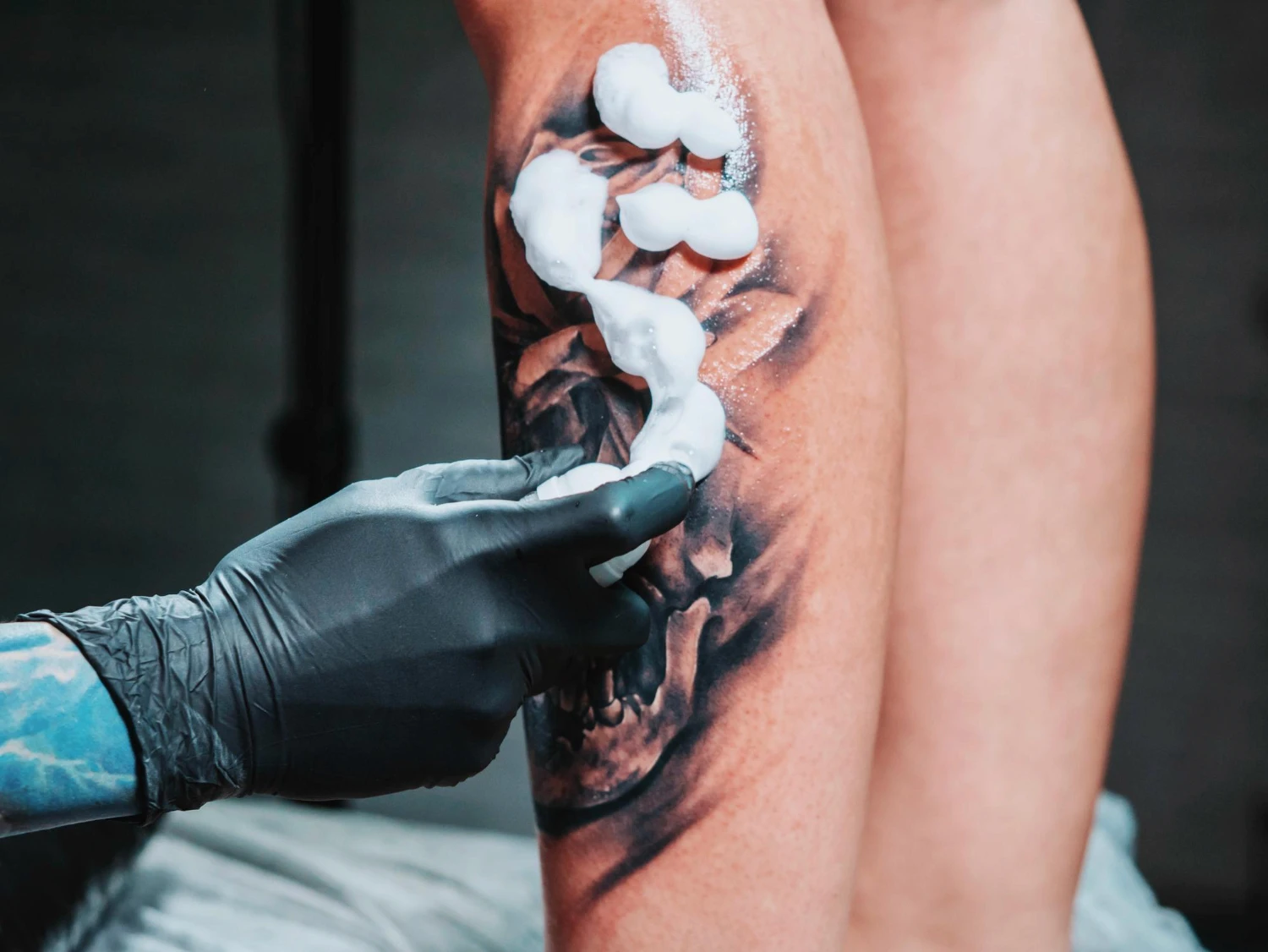
Although tattooing is an artistic and popular way of self-expression, it is a process that creates micro-injuries in the skin, which brings the risk of tattoo infection. It is of great importance for everyone considering getting a tattoo or having a new tattoo to be informed about this topic. In this article, you will find comprehensive answers to the most frequently asked questions such as how to overcome tattoo infection, why it occurs, how to recognize it, and how to treat it.
The answer to the question of how to overcome tattoo infection depends on the severity of the infection, its type, and how early treatment is started. Early diagnosis and proper intervention shorten the healing time and reduce the risk of permanent damage.
Home Treatment for Mild Cases
If the symptoms are mild and there is no systemic spread, some methods that can be applied at home are as follows:
Gentle Cleaning with Antibacterial Soap: Gently wash the tattooed area twice a day with a fragrance-free and antibacterial soap. Avoid scrubbing and clean with gentle movements. This helps reduce bacterial load in the area.
Application of Antibiotic Ointment: With the recommendation of your doctor or pharmacist, you can apply a thin layer of topical (applied to the skin) antibiotic ointments such as bacitracin or fusidic acid. These ointments help stop the spread of infection and support healing.
Allowing the Area to Breathe: Allow the tattooed area to remain as open as possible to let it breathe. Avoid tight or synthetic clothes to prevent moisture buildup and speed up healing.
Always Keep Hands Clean: Be sure to wash your hands before and after touching the tattooed area. This simple step is crucial in preventing the spread of infection.
Medical Treatment for Moderate and Severe Cases
If the symptoms are severe, spreading, or not improving despite home treatment, a doctor should be consulted:
Oral Antibiotics: Your doctor may prescribe oral antibiotics depending on the type and severity of the infection. These drugs help prevent the spread of infection within the body and avert more serious complications.
Abscess Drainage if Necessary: If a pus-filled abscess has formed in the tattooed area, your doctor may suggest surgical drainage of the abscess. This procedure alleviates the pressure by enabling the drainage of the infection and speeding up the healing process.
Dermatological Intervention for Advanced Cases: In cases that are very advanced or resistant to treatment, further examinations and treatments may be necessary by a dermatologist. Sometimes a sample may be taken and examined in a lab to identify the microorganism responsible for the infection, leading to a more specific treatment plan.
How Long Does Tattoo Infection Take to Heal?
The recovery time for a tattoo infection depends on the severity of the infection, its type, and how early treatment is initiated:
Mild infections: Generally improve within 3–7 days with proper care. During this period, a noticeable reduction in symptoms should be observed.
Moderate infections: May last 7–14 days and often require oral antibiotic treatment. Adhering regularly to treatment speeds up recovery.
Severe cases: Can last 2–4 weeks or more and may require hospital treatment or surgical intervention. In these types of conditions, the healing process could be longer and more complex.
Early intervention reduces the recovery time and minimizes the risk of scarring. Hence, obtaining professional help without delay at any sign of infection is vital.
What is Tattoo Infection?
Tattoo infection is a skin infection caused by the colonization of bacteria, fungi, or other microorganisms on the area of skin where the tattoo is performed. Since the skin barrier is breached during the tattooing process, this area becomes vulnerable to external pathogens. Especially unhygienic conditions, insufficient aftercare, and a weak immune system can trigger these infections. Infections can negatively affect the appearance of the tattoo and lead to more serious health issues.
What Causes Tattoo Infection?
The main causes and risk factors for the formation of infection after a tattoo are as follows:
Non-Sterile Tattoo Equipment: One of the most common reasons. Insufficient sterilization of needles, ink caps, or other tools used can lead to transmission of bacteria and viruses to the skin. This situation can lay the ground not only for simple skin infections but also for more serious diseases such as hepatitis.
Inadequate Tattoo Aftercare: Failing to follow the instructions provided by the tattoo artist or not cleaning the tattooed area regularly and correctly creates a suitable environment for microbes to grow. Post-tattoo care is a critical part of the healing process and plays a key role in preventing infection.
Excessive Moisture and Non-Ventilating Environment: Leaving the tattoo area covered and moist for a long time provides ideal conditions for bacterial growth. Allowing the tattoo to breathe accelerates the healing process and significantly reduces the risk of infection.
Peeling or Scratching the Area: The scabs that form during the healing process are part of the skin’s self-repair. Peeling or scratching them leads to open wounds and an increased risk of infection, disrupting the skin’s natural barrier.
Weak Immune System: Individuals with a weak immune system are more susceptible to infections. Conditions such as diabetes, autoimmune diseases, or certain medications weaken the body's defense mechanisms, increasing this risk.
Low-Quality Tattoo Inks: Some tattoo inks can cause allergic reactions or infections due to the substances they contain. Using reliable and high-quality tattoo inks reduces the risk of adverse reactions.
These factors can cause infection in the skin, spoiling the appearance of the tattoo and extending the healing time.
How to Recognize an Infected Tattoo?
Symptoms of tattoo infection usually appear within the first few days but may be delayed. The following signs may be indicators that your tattoo might be infected:
Severe Redness and Swelling Starting to Spread: While slight redness and swelling around a tattoo are part of normal healing, these symptoms should diminish over time. If the redness is spreading, the swelling is increasing, and it's becoming uncomfortable to touch, this may indicate a serious infection.
Yellow, Green, or Bad-Smelling Pus Discharge: Clear liquid coming from a tattoo area is part of normal healing, but yellow, green, or foul-smelling discharge is a definite indicator of a infected tattoo and requires immediate intervention.
Pulsating or Increasing Pain: Mild pain after a tattoo is normal and should diminish over time. However, if the pain is increasing instead of decreasing, becoming pulsating and interfering with your daily activities, it should be assumed that there might be a risk of infection.
Increased Heat (Tattoo Area May Feel Warm): If the tattooed area feels warmer than usual, this may be a sign that your body is fighting the infection and that local inflammation is present.
Fever, Fatigue, Chills (For Advanced Cases): Systemic symptoms spread across the body may appear in advanced infections. Fever, chills, fatigue, and swollen lymph nodes are signs that the infection has entered the bloodstream and are serious conditions that require urgent medical intervention.
Blisters, Abscesses, or Rashes Near the Tattoo: Water-filled blisters, pus-filled abscesses, or skin rashes may appear in the infected tattoo area. These conditions indicate the presence of an infection and a severe reaction in the skin.
If you have any of these symptoms, your tattoo may be infected and it is important to consult a healthcare professional without delay.
Tips to Prevent Tattoo Infection
Here are some precautions you can take to minimize the risk of post-tattoo inflammation:
Get Your Tattoo Done at a Reliable and Licensed Studio: Make sure the tattoo studio complies with hygiene standards and is licensed. Observe whether the artist adheres to hygiene rules (such as using gloves, single-use materials, etc.).
Ensure Sterile Needles and Equipment Are Used: Ensure that the tattoo artist uses single-use, sterile needles for each client and sterilizes other equipment (such as gloves, ink caps, etc.). Materials opened in their clean and new packaging minimize the risk of infection.
Follow the Post-Tattoo Cleaning and Care Instructions: Adhere strictly to the care instructions provided by your tattoo artist. This is crucial for the proper healing of your tattoo and for reducing the risk of infection. Using moisturizers and regular cleaning support the healing process.
Avoid Environments Like the Sea, Pool, Sauna During the First Weeks: A new tattoo is like an open wound. Such environments may contain bacteria and chemicals that increase the risk of infection. Instead of taking a shower, it is safer to wash by avoiding direct contact with water in the tattoo area.
Never Pick Off the Scabs: Picking off the scabs that form during the healing process increases the risk of infection and can permanently affect the appearance of your tattoo. Scabs should fall off naturally.
Keep the Tattoo Area Clean and Dry: Ensure the area does not remain excessively moist and gently dry with a clean towel or paper towel after each wash. Allowing it to air is important for healing.
Tattoo Infection Should Be Taken Seriously
While a tattoo is a wonderful form of personal expression, it's important not to ignore the potential for tattoo infection. If not intervened in time, infections can lead to permanent scarring, distortion of the tattoo, and even systemic infections spreading to the body.
The best method of protection is always adhering to hygiene rules and not neglecting tattoo care. If any of the above-mentioned symptoms of tattoo infection are present in you or if you have concerns about the condition of your tattoo, you should consult a dermatologist or family physician without delay.
Frequently Asked Questions About Tattoo Infection (FAQ)
How Common Are Tattoo Infections?
Tattoo infections are rare if hygiene rules are followed. However, the risk increases significantly in sterile-free environments or inadequate care conditions. While mild infections are more frequently seen, serious cases are less common.
Do Infected Tattoos Leave Scars?
Yes, an infected tattoo can leave permanent scars if not treated on time and properly. Depending on the severity of the infection, there can be discoloration in the tattoo, tissue damage, and scar formation. Early intervention minimizes the risk of leaving a scar.
Do Tattoo Infections Cause Skin Cancer?
There is no scientific evidence that directly links tattoo infections to skin cancer. However, chronic inflammation and infections can have negative effects on skin health. It is important to consult your doctor for any suspicious skin changes.
What Happens If a Tattoo Infection Is Left Untreated?
If a tattoo infection is left untreated, it can lead to serious consequences depending on the severity of the infection. In the worst scenario, the infection may spread to the bloodstream and cause systemic infections such as sepsis, which can be life-threatening. Permanent skin damage, complete distortion of the tattoo, and chronic pain can also occur.
Which Doctor Should I See for a Tattoo Infection?
If you suspect a tattoo infection, you can first consult a family doctor. Based on the seriousness of the situation, your doctor may refer you to a dermatologist (skin specialist) or an infectious disease specialist.
